Space Observatory
2016 space observatory project in China uses polyaspartic polyurea coating for full anti-corrosion protection on steel structures and aluminum-zinc panels. Long-lasting weather-resistant protective coating solution.
1. Project Basic Information
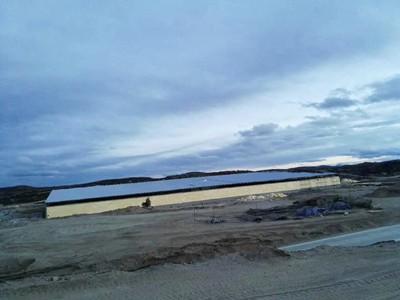
Project Location: Domestic Space Observatory, China
Completion Year: 2016
Applied Product: High-performance Polyaspartic Polyurea Coating System
Application Scope: Full anti-corrosion and weather-resistant coating for all building steel structures and aluminum-zinc plated components of the space observatory
2. Project Background & Challenges
As a professional astronomical observation facility, the China space observatory is permanently deployed in an open outdoor environment, imposing rigorous standards for structural stability and surface protection. Its core load-bearing components, including steel structures and aluminum-zinc plates, are constantly exposed to harsh outdoor conditions: intense UV radiation, fluctuating humidity, and atmospheric corrosive agents.
Conventional coatings easily suffer from aging, fading, peeling and corrosion under long-term outdoor exposure, which endangers structural safety and interferes with the observatory’s operational precision. Hence, a high-adhesion, ultra-durable and weather-resistant coating system was urgently required for long-term reliable metal protection.
3. Project Solution & Construction Application
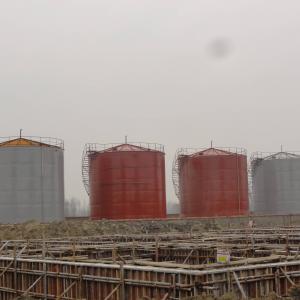
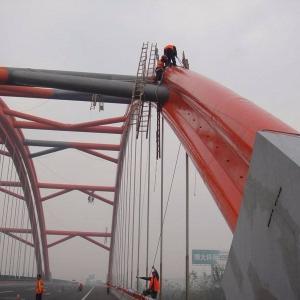
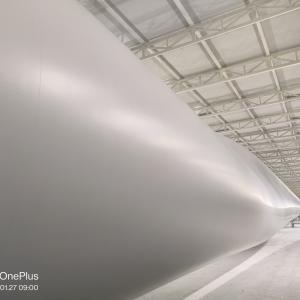
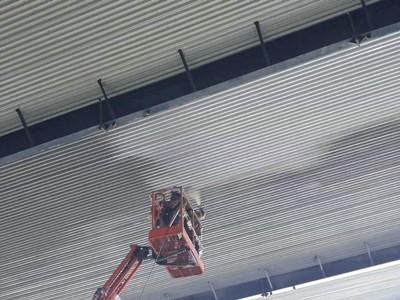
To satisfy the project’s strict requirements for environmental adaptability and long-term protection, our high-performance polyaspartic polyurea coating system was adopted as the exclusive anti-corrosion finish. The full set of the observatory’s steel structures and aluminum-zinc plates was fully sprayed with the material to form a seamless, high-density integrated protective film.
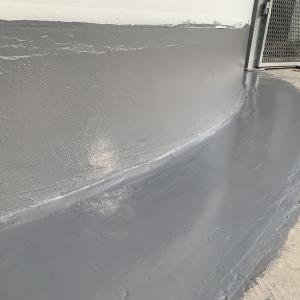
Featuring low viscosity, fast curing and excellent constructability, the third-generation polyaspartic polyurea achieves uniform, pinhole-free thick coating in one single pass. It delivers tight adhesion to steel and aluminum-zinc substrates, enabling efficient construction and intact coverage of all structural surfaces.
4. Core Product Advantages & Project Value
The polyaspartic polyurea coating system provides superior comprehensive performance, fully meeting the long-term outdoor protection demands of astronomical observation infrastructure. Its core advantages and project values are summarized as follows:
Superior Weather & UV Resistance: The coating effectively resists long-term UV radiation, rain erosion and extreme temperature changes, preventing common defects like fading, chalking and cracking, and maintaining stable long-term surface performance.
High Adhesion & Reliable Anti-corrosion Performance: It boasts strong bonding strength with steel and aluminum-zinc substrates without peeling or delamination. The seamless coating barrier isolates moisture and corrosive media to fundamentally prevent metal oxidation and structural corrosion.
Durability & Low Maintenance: Outperforming traditional epoxy and polyurethane coatings, polyaspartic polyurea features stable physicochemical properties and extended service life. It significantly reduces later maintenance and recoating frequency, lowering the overall operational cost of the observatory facility.
PREVIOUS:Hydropower Station
NEXT:Oil Storage Tank