Knowledge
Application plan of roofing waterproof
I. Project Overview
Omit
II. Application Structure
1. Structure Charts
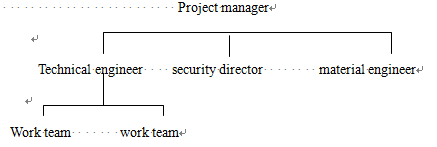
2. Make an Application Plan
Prepare a working schedule, choose experienced workers and a proper spray time.
3. Principle of Choosing Materials
Check with product labels to ensure proper qualified materials.
4. Training
Applicators should be familiar with surface treatment, material storage, application technology process, inspection after spray, and writing application reports.
5. Conduct Tests to Guarantee Application Quality
Test temperature, pre-spray to check results, pressure control, flow rate, and adhesive strength.
III. Application Preparation
1. Materials
Sealing primer: Epoxy primer.
Putty: Spray polyurea elastomer material (polyurea waterproof coating).
Polyaspartic polyurea UV topcoat.
2. Equipment
Spray equipment: Special polyurea spray machine.
Other auxiliary tools: Air compressor, dryer, pneumatic stirrer, air purifier, steel wheels, waterproof cloth, cloth, anti-fouling tapes.
3. Applicators
1-2 persons to spray the gun, 2-4 auxiliary workers. They should have long-term application experience and be professionally trained.
4. Labor Protection Tools
Active carbon anti-dust respirators, goggles, gloves, safety belt, etc.
5. Technology
(1) Spray Pressure: If the spray pressure is high, atomization effect will be better. However, further protection of non-spray areas and applicators is needed.
(2) Spray Temperature: The temperature of material A & B should be heated to above 65°C.
(3) Air Pressure and Purifier: Air pressure should be above 8 kg/cm² and must go through purifier and dryer to ensure clean and dry air; otherwise, it may cause surface bubbles or pinholes.
IV. Application Process
1. Surface Preparation of Metal Substrate
Sand blast metal surface to Sa2.5 per ISO8501-1 or GB8923 standard.
(1) Standard for Concrete Substrate:
- A. Concrete strength not less than structural design requirements.
- B. Surface even with no defects, no sand, shells, cracks, voids, or pits. Check smoothness with 2mm ruler, space not bigger than 2mm.
- C. Pipeline, casing, reserved holes, embedded parts through substrate should be pre-embedded or set up.
- D. Normal conditions: water content of concrete less than 3-4%, water vapor transmission rate less than 1.56 kg/(100m²·24h).
(2) Concrete Base Grinding and Clean Up:
- A. Remove oil, laitance, loose dust, or releasing agent with polishing machine or wire brush.
- B. Grind surface even; ensure it is solid, compact, clean, and even before applying primer.
(3) Apply Primer.
(4) Apply Sealing Putties: Apply two layers of putty after concrete grinding to prevent pinholes and bubbles. Follow manufacturer's instructions; control each layer thickness at 0.2-0.3mm, interval time 24h. If thickness exceeds 0.5mm, curing slows and bubbles may appear. Ensure surface has no pinholes; apply following coatings within 24 hours after putty application.
2. Recommended Matching Plan of Anticorrosion Waterproof Coatings
| No | Name of Product | Layer | DFT (μm) | Material Coverage (kg/m²) |
|---|---|---|---|---|
| 1 | Sealing putty | 1 | 400 | 0.3 |
| 2 | Primer (2 layers) (HP6303K) | 2 | 100 | 0.3 |
| 3 | Spray polyurea (PS500A) | 1 | 1500 | 1.8 |
| 4 | Roll polyaspartic polyurea topcoat | 1 | 150 | 0.35 |
| Total | 5 | 2150 | 2.75 |
3. Application Procedures
Surface preparation (qualified) → Brush two-component primer (1 layer, after surface dry) → Putty → Brush another primer → Spray polyurea (1 layer) → Roll polyaspartic polyurea UV topcoat (1 layer) → Acceptance.
4. Spray Polyurea
(1) Preparation Before Spray:
- A. Equipment and materials placed in order.
- B. Power supply at site: three-phase four wire (380V), 27KW, electric current 60A.
- C. Air compressor pressure: air purifier and dryers should have 7-9 kg.
- D. Agitate part A & B uniformly prior to application, especially part B (inorganic fillers deposited). Insert pneumatic agitator into 3rd hole of part B, keep mixing during spray.
- E. Spray machine: set pressure 2500/3200 psi, system temperature 60°C-75°C, raw material temperature above 20°C. Start spray after all sets in normal condition.
(2) Technical Requirements During Spray Process:
- A. Professional applicator starts spray. First, spray a thin layer (priming), then spray required thickness 1.0mm ± 0.2mm. For uniform surface, second layer should cover 50% of previous layer.
- B. Extra thicker treatment in junction, corner, and connection joint places: spray 1.5-2.5mm thickness.
- C. Coating surface should be even, without bubbles or peel off.
- D. If coating bonds with shelter, cut with paper knife; do not pull by force to avoid damage.
- E. Make surface as aesthetic as possible after properties guaranteed.
- F. Blast surface where repair needed; blasting edge extended 150mm from repair area. Fixing coatings must have smooth transition from original coating.
5. Technical Requirements During Polyaspartic Polyurea UV Topcoat Process
- A. Strictly mix according to provided ratio and stir well.
- B. Construction thickness: 150 μm.
- C. Scrape or roll topcoat construction.
V. Safety Protection
- 1:Be familiar with maintenance rules, safety handling regulations, and methods.
- 2:Educate applicators on safety tips, such as fastening safety belt and safety net.
- 3:Maintain ventilation when applying indoors or in sealed containers; applicators shall wear goggles, anti-dust masks, and protective clothes.
- 4:Be careful when performing mechanical polishing.
- 5:Use electric power safely.